The Studio Experience: From 3D Renders to Massive Installations
The journey of a massive 3D project—from a simple sketch in a designer's notebook to a twenty-foot-tall installation in a public square—is one of the most exciting processes in modern visual design. It is a path that requires a rare combination of creative "blue-sky" thinking and practical "boots-on-the-ground" problem-solving. A professional fabrication studio acts as a bridge between the imagination of a brand and the physical reality of the world. The goal is always to create a "fantasy you can touch," a piece of physical art that looks like it was plucked directly from a dream and placed into our reality.
To navigate this journey, studios utilize the principles of trade show display design to ensure that even the largest and most complex projects are manageable and impactful. This involves a focus on modularity, ease of assembly, and visual "pop." Whether the project is for a trade show, a movie set, or a permanent brand activation, the same rigorous standards of planning and fabrication apply. By treating every project as a piece of high-end scenic art, studios can deliver a level of quality that surprises and delights both the client and the public, proving that with the right team, anything is possible.
The Collaborative Design and Planning Phase
Every project begins with a conversation. Marketing agencies and event planners come to the studio with a "fringe of an idea," and the studio’s designers help to flesh it out. During this phase, 3D artists create detailed renders that show exactly how the sculpture or environment will look in its intended space. This is a critical time for collaboration, as it allows the client to provide feedback and the fabricators to identify potential structural issues. This planning phase is what ensures that the "fantasy" is grounded in reality, with every bolt, seam, and light fixture accounted for before the first cut is made in the shop.
The Magic of CNC Fabrication and Assembly
Once the designs are set, the studio transforms into a high-tech workshop. Large-format CNC routers begin the work of carving giant pieces of foam into the basic shapes of the project. This is a fascinating stage where massive, blocky shapes suddenly transform into recognizable figures or architectural elements. The assembly team then takes these pieces and joins them using specialized adhesives and internal steel structures. This "rough-in" stage is where the scale of the project truly becomes apparent, and the team begins to see the fruits of their labor. The focus here is on structural integrity and ensuring that every piece fits together perfectly.
The Scenic Finishing: Creating the Illusion
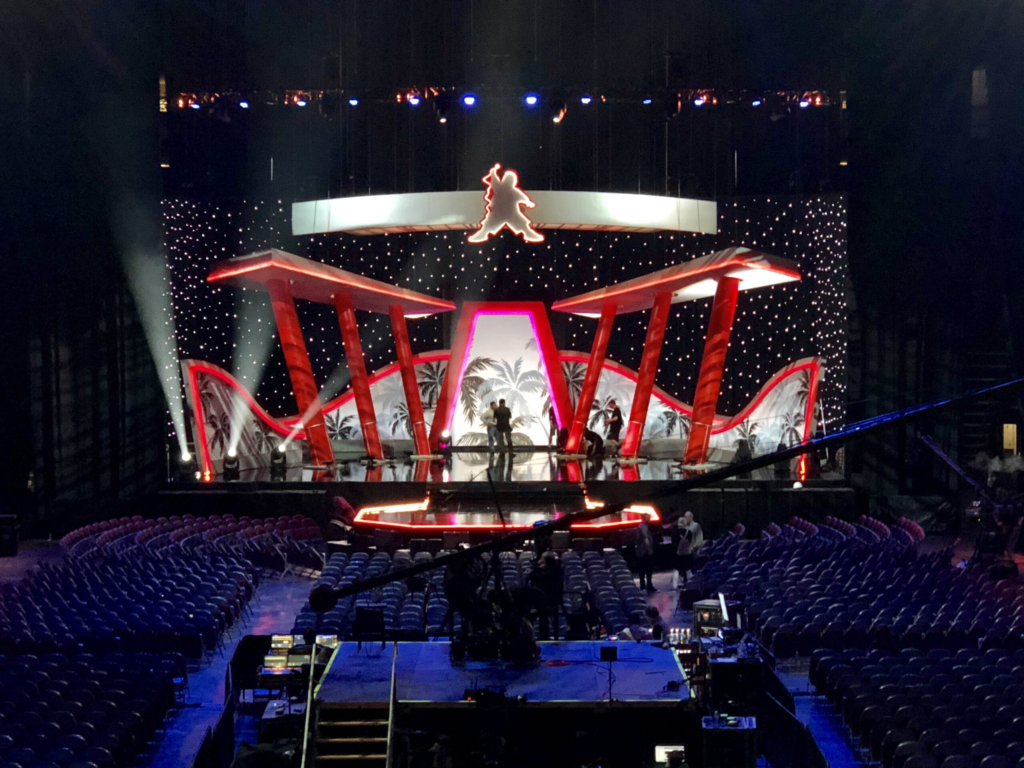
The final and most artistic stage of the process is scenic finishing. This is where the raw foam and fiberglass are transformed into a believable reality. Scenic painters use a variety of tools—from airbrushes to traditional hand-brushes—to add color, depth, and texture to the piece. They might apply "dirt and grime" to make a set look old, or a "candy-coat" finish to make a mascot look brand new. This stage is what truly brings the "fantasy you can touch" to life. The attention to detail at this stage is what makes the difference between a simple prop and a world-class piece of visual art.
The Evolution of Brand Experience Design
In the modern marketing landscape, the physical environment is the most powerful tool for creating a lasting impression. This is the core of brand experience design. It is the art of creating a "brand world" that people can enter and explore. By using custom-fabricated elements, brands can create a sense of place that is entirely their own. This is particularly effective for product launches and brand activations, where the goal is to create a "surround-sound" experience that captures the attendee's attention from every angle. The physical world becomes a stage where the brand's story is performed in three dimensions.
The Rise of Brand Activations and Pop-Up Art
In recent years, "brand activations" have become a staple of modern marketing. These are temporary installations—often in high-traffic urban areas—that invite the public to interact with a brand in a fun and unexpected way. A giant sculpture appearing overnight in a city park or a beautifully themed "pop-up" shop in a shipping container are great examples. These activations rely heavily on high-quality fabrication to create a sense of awe and excitement. Because they are temporary, they must be designed for quick installation and removal, making the logistical expertise of the fabrication studio just as important as their artistic skill.
The Future of Physical Storytelling
As we look to the future, the integration of physical and digital storytelling will continue to grow. We will see more sculptures with integrated screens, environments that react to biometrics, and props that are designed specifically to be viewed through an AR (Augmented Reality) lens. However, the heart of the experience will always remain physical. There is no substitute for the feeling of standing next to a massive, beautifully crafted object. The "fantasy you can touch" is a timeless concept that will continue to evolve alongside our technology, providing a much-needed anchor in a world that is becoming increasingly digital and ephemeral.
Conclusion
The creation of large-scale 3D visual environments is a celebration of human imagination and industrial prowess. From the initial 3D render to the final installation, the process is a testament to the power of physical art to move and inspire us. By partnering with a world-class fabrication studio, brands can turn their most ambitious fantasies into reality, creating iconic landmarks and unforgettable experiences. As we continue to explore the boundaries of what is possible in the physical world, the role of the sculptor, the fabricator, and the experience designer will only become more vital to our culture and our commerce.